
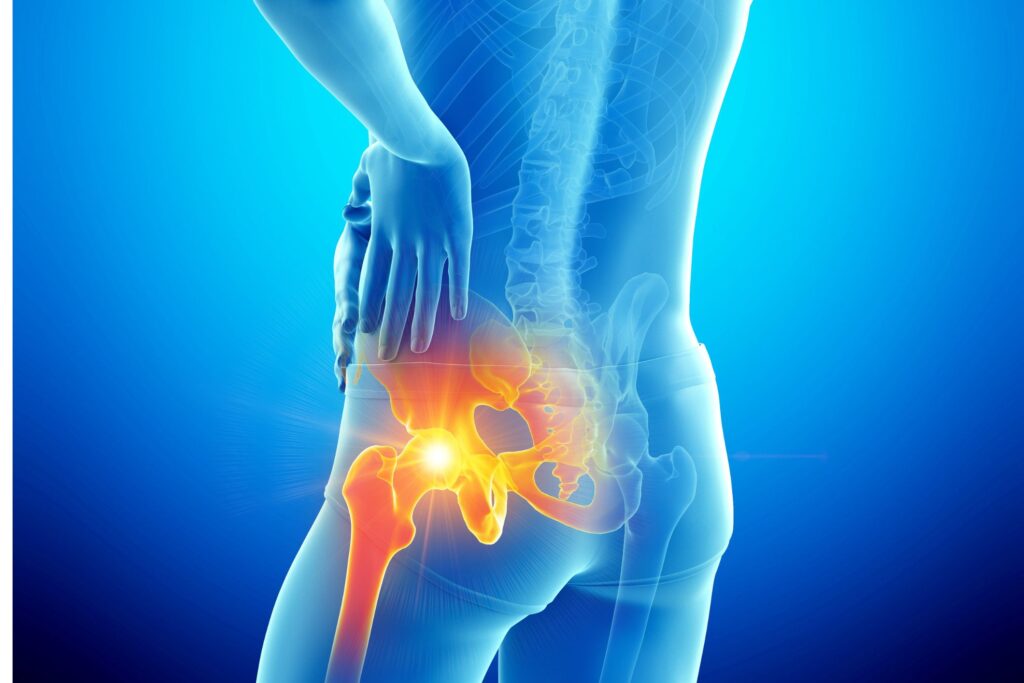
Knee pain can drastically affect daily activities and overall quality of life. For patients experiencing severe joint degeneration or chronic pain, consulting an experienced specialist is essential. Individuals considering advanced procedures benefit from a knee replacement surgery Singapore expert who provides accurate evaluation, personalized treatment plans, and comprehensive post-surgical care. Expert guidance ensures optimal recovery, improved mobility, and long-term joint function.
Understanding the procedure, recovery, and benefits allows patients to make informed decisions. From minimally invasive techniques to modern implant technology, knee replacement surgery offers lasting relief and enhanced quality of life.
What is Knee Replacement Surgery?
Knee replacement surgery, also known as arthroplasty, involves replacing damaged cartilage and bone with artificial components. The procedure reduces pain, improves joint alignment, and restores functional movement.
Total vs. Partial Knee Replacement
- Total Knee Replacement: Entire knee joint is replaced, ideal for severe arthritis or extensive damage.
- Partial Knee Replacement: Only affected areas are replaced, suitable for localized wear and tear.
Who Can Benefit?
Candidates often include individuals with persistent knee pain, reduced mobility, or arthritis unresponsive to conservative treatments. Early assessment ensures timely intervention and better outcomes.
Pre-Surgery Evaluation
Comprehensive evaluation determines the need and type of knee replacement.
Clinical Examination
Specialists assess joint stability, range of motion, and alignment to plan the procedure.
Imaging Studies
X-rays, CT scans, or MRI provide precise insights into bone and cartilage condition.
Health Assessment
General health, pre-existing conditions, and medication use are reviewed to minimize surgical risks.
The Surgical Procedure
Knee replacement surgery involves several meticulous steps performed by trained specialists.
Anesthesia
The procedure typically uses regional or general anesthesia for comfort and safety.
Incision and Preparation
Damaged bone and cartilage are removed, and the joint is shaped to fit the implant.
Implant Placement
Artificial components made of metal, ceramic, or plastic are securely positioned to restore joint function.
Closure and Dressing
Incisions are closed carefully, and sterile dressings applied to prevent infection and support healing.
Recovery and Rehabilitation
Effective recovery depends on post-surgical care, physiotherapy, and patient compliance.
Hospital Stay
Patients typically stay 2–5 days, during which pain is managed and mobility gradually restored.
Physical Therapy
Rehabilitation focuses on strengthening muscles, improving flexibility, and regaining range of motion. Early mobility enhances outcomes and prevents stiffness.
Home Care
Patients follow activity guidelines, use assistive devices initially, and gradually increase walking and daily tasks.
Follow-Up Appointments
Regular follow-ups allow specialists to monitor healing, adjust therapy, and detect any complications early.
Benefits of Knee Replacement Surgery
The procedure offers numerous advantages beyond pain relief.
Pain Relief
Severe arthritis or injury-related pain diminishes significantly after surgery.
Improved Function
Enhanced mobility allows patients to return to daily activities and recreational pursuits.
Long-Term Durability
Modern implants can last 15–20 years, providing lasting joint stability and comfort.
Better Quality of Life
Overall independence, confidence in movement, and psychological well-being improve post-surgery.
Risks and Considerations
Although safe, knee replacement carries some risks.
Potential Complications
- Infection around the joint
- Blood clots or deep vein thrombosis
- Loosening or wear of the implant
Risk Mitigation
Proper pre-surgical evaluation, sterile techniques, and post-operative care reduce complication likelihood.
Choosing the Right Specialist in Singapore
Selecting an experienced knee surgeon is crucial for optimal outcomes.
Experience and Expertise
A skilled specialist performs precise implant placement, uses modern techniques, and provides personalized care.
Advanced Facilities
Clinics with imaging tools, surgical technology, and integrated physiotherapy support comprehensive treatment.
Patient-Centered Approach
Customized treatment plans address individual needs, activity levels, and lifestyle considerations.
Tips for a Successful Recovery
Patients can enhance recovery and long-term success through proactive measures.
Commit to Rehabilitation
Adhering to prescribed exercises strengthens muscles and promotes joint stability.
Maintain a Healthy Lifestyle
Balanced nutrition, weight management, and low-impact activities support healing and reduce stress on the joint.
Monitor for Warning Signs
Pain, swelling, or unusual symptoms should be reported promptly to avoid complications.
Stay Active Safely
Gentle walking, swimming, or cycling maintains fitness without compromising the new joint.
Conclusion
Knee replacement surgery in Singapore is a highly effective solution for chronic pain and reduced mobility. Early consultation with a qualified specialist ensures accurate evaluation, advanced surgical care, and personalized rehabilitation. Patients experience significant pain relief, improved function, and enhanced quality of life. Comprehensive recovery programs, combined with preventive strategies, help preserve joint health and maintain independence for years.


Leave a Reply